
The Importance of Backing Up Your Digital Pictures and Files: Protecting Against Accidents and Cyber Threats
The Importance of Backing Up Your Digital Pictures and Files: Protecting Against Accidents and Cyber Threats
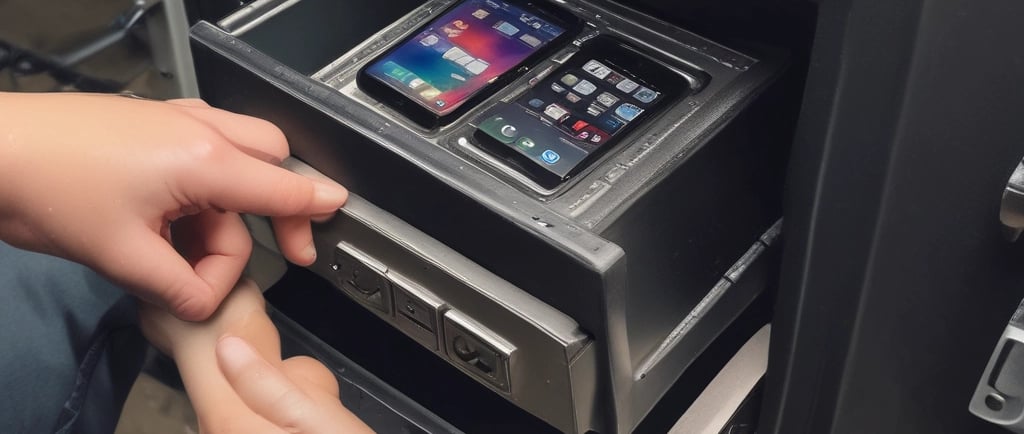
Understanding the Risks: Accidents and Cyber Crimes
In today's digital age, the importance of safeguarding our digital pictures and files cannot be overstated. Every day, individuals encounter various risks that may lead to the loss of invaluable memories and critical documents. Accidental deletion remains one of the most common issues. For instance, a simple misclick can result in cherished family photos being erased from a device permanently. Moreover, hardware failures present another significant challenge. Hard drives can malfunction without warning, potentially erasing years of stored data, from baby pictures to essential work documents. Cases abound where users discover too late that their files are unrecoverable, underscoring the need for proactive measures.
The physical loss of devices, such as smartphones or laptops, poses additional threats to valuable content. Individuals may leave devices in public places, fall victim to theft, or experience accidental damage. Such instances highlight the precarious nature of relying solely on a single device for storing important files. The loss of a device can mean that digital memories vanish, underscoring the critical need to implement backup protocols as a preventive strategy.
Furthermore, the rise of cyber crimes, notably ransomware attacks, has brought a new layer of complexity to file safety. Ransomware can lock users out of their own files, demanding payment for access, often resulting in permanent data loss if the victim chooses not to pay. Reports of individuals being unable to recover their files after such attacks are becoming more common, emphasizing the urgency of acknowledging these threats. The emotional toll of losing irreplaceable data can be profound, reinforcing the necessity to adopt robust backup solutions. By understanding these risks, individuals can more effectively motivate themselves to take action in securing their digital lives.
Benefits of Regular Backup Practices
Regular backup of digital pictures and files offers numerous benefits that collectively ensure the protection of valuable memories and critical data. One of the most significant advantages is the peace of mind that comes with knowing your information is securely stored and retrievable. In the event of an unexpected hardware failure, accidental deletion, or a cyber threat, having a reliable backup in place can be a reassuring safety net. This assurance allows individuals and businesses alike to manage digital information without the consistent worry of potential loss.
Moreover, regular backup practices enhance data recovery options. When files are backed up systematically, recovering corrupted or lost information becomes a streamlined process. Various recovery solutions are available that can quickly restore files, minimizing downtime and disruption to workflows. This is particularly crucial for businesses that rely on data for daily operations, as prolonged data inaccessibility could lead to significant operational delays and loss of revenue.
Another essential benefit is the ease of access to files across various locations. Cloud storage solutions have revolutionized data management, enabling users to access their backed-up files from anywhere and on multiple devices. This flexibility is increasingly important in a world where remote work and mobile access are becoming the norms. By adopting a multi-location backup strategy, individuals can safeguard against geographic threats such as natural disasters while also simplifying their file retrieval process.
Furthermore, investing time in regular backup procedures results in long-term financial savings. The costs associated with data recovery after an incident can be exorbitant, not to mention the potential loss of valuable content. By adopting proactive backup practices, users can mitigate such expenses and benefits extend beyond just financials; time efficiency is also greatly improved. Instead of scrambling during a crisis, individuals can focus on what truly matters, ultimately reducing stress during critical situations.
How to Effectively Back Up Your Devices
In a digital age where information is continually generated and shared, backing up devices is an essential practice for safeguarding precious digital files. To implement an effective backup strategy, one must consider various methods that align with individual preferences and needs.
Cloud storage services, such as Google Drive, Dropbox, and iCloud, offer a convenient option for backing up files. These platforms allow for easy access to data from any device with internet connectivity, thus facilitating seamless file recovery. Users should evaluate the storage capacity and security features of these services to select the most suitable option for their requirements. Setting up automated backups to these cloud services ensures files are consistently updated without manual intervention.
External hard drives also present an effective method for backing up data. They provide substantial storage capacity and do not rely on an internet connection. When using external drives, it is crucial to regularly connect the device and transfer updated files. This practice not only protects against data loss but also keeps files organized. Implementing a structured folder system can expedite the retrieval process during data restoration.
Regular manual backups should not be overlooked. Designating specific times—such as at the end of each week or month—for manual backups allows users to reflect on their data management habits. During these sessions, organizing files based on categories like family photos, work documents, or personal projects can create a streamlined recovery process.
Ultimately, a robust backup strategy should encompass a combination of cloud storage, external drives, and manual efforts tailored to personal habits. By actively engaging in this process, individuals can ensure their valuable digital memories and files remain protected against unforeseen incidents and cyber threats.
Case Studies: Real-Life Backup Success Stories
The significance of backing up digital pictures and files is undeniably illustrated through various real-life success stories. One noteworthy case involved a small photography business that had amassed years of work on a single external hard drive. When the drive unexpectedly failed, the owner faced the potential loss of countless client images and projects. Fortunately, this proactive business had implemented a robust backup strategy, utilizing both cloud storage and an additional external hard drive located in a different location. When disaster struck, they were able to restore all their data swiftly, demonstrating the efficacy of a well-planned backup system.
Another compelling example comes from a family who experienced a fire that destroyed their home. Amidst the devastation, they faced the heartbreaking reality of losing numerous family memories captured in digital photographs. However, thanks to their diligent backup practices, the family had stored their pictures in a cloud service. This ensured that despite physical losses, digital memories remained intact and accessible. Their emotional relief was palpable, proving that having reliable backups can provide a sense of security in unpredictable circumstances.
Testimonials from both these cases underline the financial and emotional impacts of backups. The photography business highlighted not only the cost of potential lost work but also the trust they built with clients through their ability to deliver when it mattered most. Meanwhile, the family's experience stood as a testament to the importance of safeguarding cherished memories against unforeseen events. These stories emphasize that backing up files and pictures is not merely a precautionary measure; it is an essential practice that everyone must adopt to protect against possible accidents and cyber threats. The urgency of proactive backup measures cannot be understated, as illustrated by these real-life success stories.
Contact:
Get in touch for personalized IT solutions today:
© 2026 Lime Tree IT, LLC. All rights reserved.